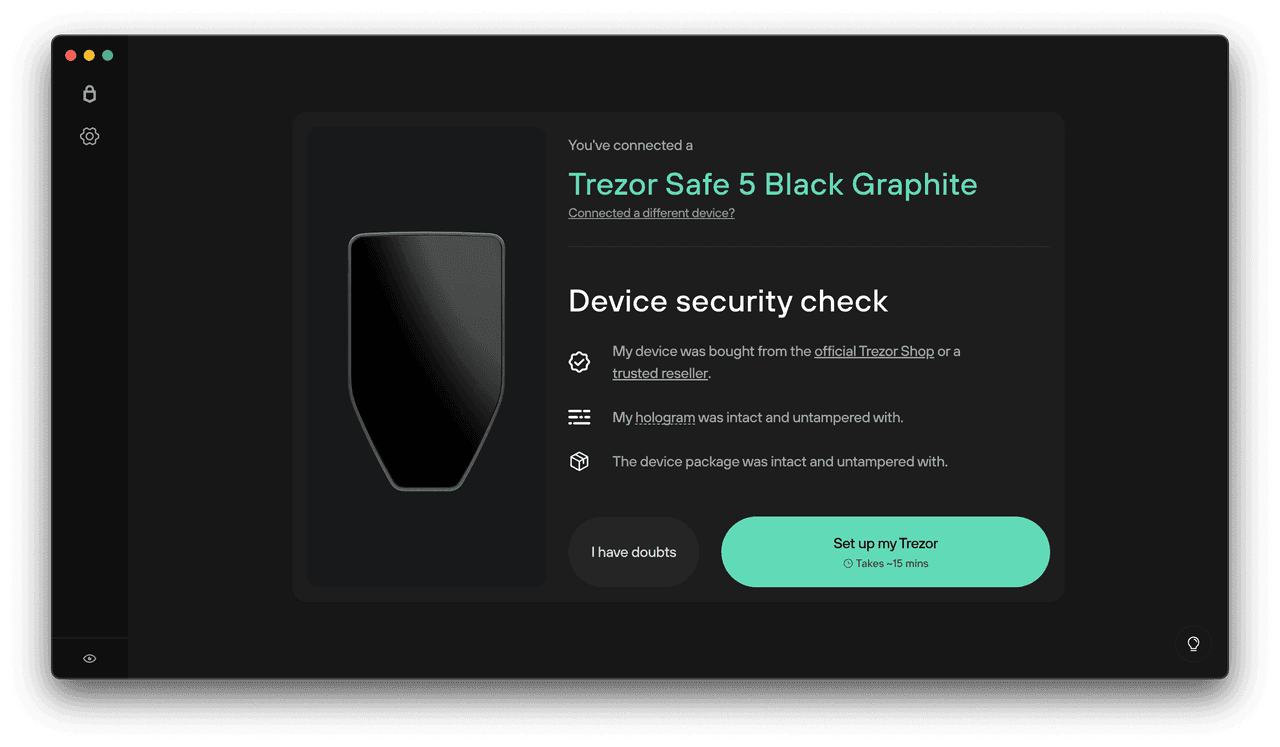
Trezor Suite is the official software platform developed by SatoshiLabs for managing cryptocurrencies using Trezor hardware wallets. Trezor devices, such as the Trezor One and Trezor Model T, are widely recognized as some of the most secure hardware wallets in the cryptocurrency ecosystem. Trezor Suite acts as the interface between the user and the blockchain networks, providing a centralized dashboard to manage accounts, view balances, send and receive digital assets, stake cryptocurrencies, interact with decentralized applications, and maintain strong security practices. This guide explores the features of Trezor Suite, how it works, setup instructions, security principles, common mistakes, and ways it empowers users to securely manage their digital assets.
Introduction to Trezor Suite
Trezor Suite was designed to make cryptocurrency management simple, safe, and intuitive for both beginners and advanced users. It functions as a bridge between the hardware wallet and the blockchain networks, ensuring that private keys never leave the Trezor device. This separation is a key principle of hardware wallet security: the private keys are generated and stored in a secure element within the device, while Trezor Suite handles public-facing operations, portfolio visualization, and transaction broadcasting. By combining hardware and software in a structured ecosystem, Trezor Suite enables users to safely access the full potential of digital assets.
The main purpose of Trezor Suite is to allow users to manage multiple accounts and cryptocurrencies in one place while maintaining the highest levels of security. Users can track balances in real-time, review transaction history, send and receive coins and tokens, manage ERC-20 assets, and interact with supported blockchain networks. The software is available for desktop platforms and, in some cases, browser-based interfaces, providing flexibility while maintaining security principles.
Getting Started with Trezor Suite
Before using Trezor Suite, a user must first have a Trezor hardware wallet. Authenticity is crucial; users are encouraged to purchase devices directly from official sources or trusted resellers. Trezor devices come with recovery seed cards, USB cables, and safety instructions. The setup process begins by connecting the device to a computer or compatible mobile device and launching Trezor Suite.
The first step involves initializing the Trezor device. Users can create a new wallet or recover an existing one using a recovery seed. A recovery seed is a set of 12, 18, or 24 words generated by the device during setup. This seed allows users to restore access to their funds in case the hardware wallet is lost, stolen, or damaged. Trezor Suite emphasizes the importance of writing down the recovery seed, storing it securely offline, and never entering it into a computer or smartphone except during the recovery process. The recovery seed is the ultimate backup, and its security is critical for maintaining control over digital assets.
Understanding the Trezor Suite Interface
Once the device is initialized, Trezor Suite provides a clear and organized dashboard. The dashboard is the central hub for managing accounts and monitoring crypto assets. It typically displays:
Portfolio balances
Recent transactions
Asset distribution charts
Device connection status
Network information and confirmations
The portfolio view offers an at-a-glance summary of all supported assets linked to the Trezor device. Users can quickly see their total holdings, view individual account balances, and analyze changes in asset value over time. This feature helps users track their investments and plan future actions.
Adding and Managing Accounts
Trezor Suite allows users to create multiple accounts for different cryptocurrencies. Each account represents a blockchain address derived from the secure private keys stored in the Trezor device. Users can add accounts for Bitcoin, Ethereum, Litecoin, and a wide range of other supported assets, including ERC-20 tokens. When adding an account, Trezor Suite synchronizes with the blockchain to retrieve balances and transaction histories.
Multiple accounts allow users to organize funds for various purposes, such as trading, long-term holding, savings, or staking. Users can also generate multiple addresses for receiving funds within a single account, enhancing privacy and security.
Sending Cryptocurrency
Sending digital assets with Trezor Suite is secure and intuitive. When initiating a transaction, users input the recipient address, amount, and optional notes. The software prepares the transaction and then requires the user to confirm the details directly on the Trezor hardware wallet. This confirmation is a critical security step: even if malware has compromised the computer, the user can verify the recipient address, amount, and transaction fees on the device’s screen. Only after confirming does the device sign the transaction and broadcast it to the blockchain.
This hardware verification process ensures that private keys never leave the device, and it protects users against unauthorized transactions. Trezor Suite highlights the importance of checking every transaction carefully before approval.
Receiving Cryptocurrency
Receiving assets through Trezor Suite involves generating a receiving address within the software. The user can provide this address to the sender, and the software monitors the blockchain for incoming transactions. Trezor Suite also requires verification of the receiving address on the hardware wallet, preventing malicious software from altering the displayed address. Once a transaction is confirmed on the blockchain, the balance is updated in the software interface.
Security Principles of Trezor Suite
Security is the primary reason users rely on hardware wallets and Trezor Suite. The software reinforces a secure model in multiple ways:
Private keys never leave the Trezor device.
Transactions require physical confirmation on the hardware wallet.
Recovery seeds are generated and stored offline.
Users are educated about phishing and malware risks.
Software updates are signed and verified before installation.
All sensitive operations are isolated from internet-facing software.
By following these principles, users can confidently manage their cryptocurrency without exposing private keys to online threats.
Firmware and Software Updates
Both the Trezor device and Trezor Suite software receive regular updates to enhance security, add new features, and support additional cryptocurrencies. Firmware updates are installed on the device and require confirmation directly on the Trezor hardware wallet. Software updates for Trezor Suite are downloaded and verified before installation. These updates are crucial to maintaining a secure environment, as they patch vulnerabilities, improve compatibility, and ensure reliable operation with blockchain networks.
Advanced Features of Trezor Suite
Trezor Suite provides several advanced tools for users looking to maximize the potential of their digital assets:
Staking: Supported assets can be staked directly through Trezor Suite, allowing users to earn rewards by participating in blockchain validation processes. The device remains the secure signer, ensuring private keys stay offline.
Token Management: Trezor Suite supports ERC-20 tokens and other blockchain-specific tokens, allowing users to monitor balances and send or receive multiple assets within the same interface.
Integration with External Wallets: For decentralized applications, Trezor Suite allows safe interaction by acting as a signing device while external software handles the interface.
Portfolio Analytics: Users can track performance over time, view historical trends, and gain insights into asset allocation.
These features make Trezor Suite a complete ecosystem for self-custody users who want both security and convenience.
Common Mistakes and How Trezor Suite Helps Prevent Them
New cryptocurrency users often make mistakes that compromise their security. Trezor Suite helps prevent common errors by providing guidance, prompts, and security reminders. Examples include:
Entering recovery seeds into online forms
Using unofficial software or downloading from unsafe sources
Failing to verify transactions on the hardware wallet
Storing recovery seeds digitally or online
Ignoring firmware or software updates
By emphasizing these security practices, Trezor Suite reduces risks and empowers users to maintain full control of their funds.
Interacting with Web3 Services and NFTs
Trezor Suite can interface with Web3 applications and certain NFT platforms. While most interactions require connecting the hardware wallet through compatible wallets like MetaMask, Trezor Suite ensures that all signing operations are secure. The device acts as a gatekeeper, verifying every action and keeping private keys isolated from potentially unsafe software.
NFTs supported on compatible networks can be monitored, sent, and received through Trezor Suite. Hardware confirmation is required for all operations, ensuring secure custody of digital collectibles.
Backup and Recovery Considerations
The recovery seed is the ultimate backup for all accounts on a Trezor device. Trezor Suite reinforces the importance of secure storage and emphasizes that no software or person should request the recovery seed. If the device is lost, stolen, or damaged, the recovery seed allows users to restore all accounts and assets on a new device. Users are advised to store their seeds offline, in multiple secure locations if necessary, and to protect them from fire, water, and unauthorized access.
The Role of Trezor Suite in Self-Custody
Self-custody is a foundational principle in the cryptocurrency world. It refers to the user’s full control over their digital assets without relying on centralized exchanges or custodians. Trezor Suite is designed to support self-custody by allowing secure management of accounts, verification of transactions, and full oversight of assets. By combining a hardware wallet with a well-designed interface, users maintain sovereignty over their funds while benefiting from usability and convenience.
Continuous Learning and Support
Trezor Suite also serves as an educational platform for users. Through the software, users learn best practices for security, transaction verification, backup strategies, and safe interaction with decentralized networks. The suite encourages users to stay vigilant against phishing attempts, avoid unsafe downloads, and maintain disciplined security habits.
Conclusion
Trezor Suite is more than just software; it is a complete ecosystem for secure cryptocurrency management. By combining hardware wallet security with an intuitive interface, Trezor Suite empowers users to manage multiple cryptocurrencies, monitor portfolios, interact with decentralized applications, stake assets, and maintain complete self-custody. Security principles, including offline private key storage, recovery seed management, hardware verification of transactions, and firmware validation, make it one of the most trusted platforms for cryptocurrency users worldwide.
With features for beginners and advanced users alike, Trezor Suite bridges the gap between accessibility and security, enabling users to safely navigate the rapidly evolving world of digital assets. It teaches responsible practices, helps prevent common mistakes, and provides ongoing support for maintaining secure custody of digital wealth. By using Trezor Suite alongside a Trezor hardware wallet, users can confidently engage with cryptocurrency while retaining full control of their private keys and financial sovereignty.