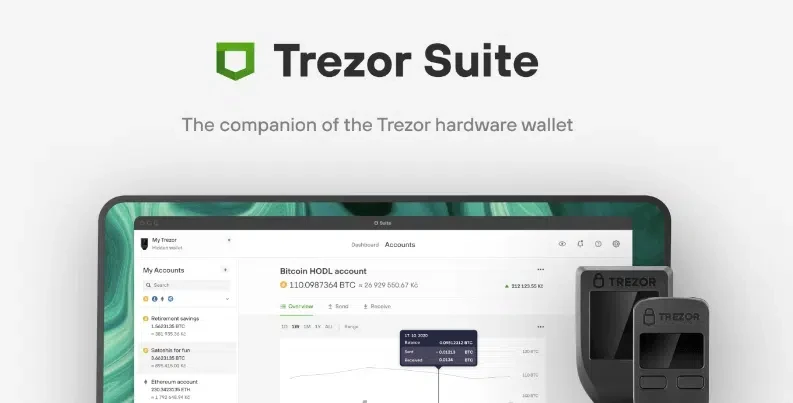
Trezor Suite is the official application created by Trezor to provide a secure and user-friendly environment for managing cryptocurrency with Trezor hardware wallets. It serves as the central platform where users monitor their portfolios, send and receive digital assets, adjust security settings, interact with supported networks, and maintain complete control over their private keys. This 2000-word, plain-text guide offers a comprehensive, educational explanation of Trezor Suite, covering how it works, how to set it up, security fundamentals, features, asset management tools, updates, and everyday use. The content is designed purely for general information and does not replace official instructions.
Understanding the Purpose of Trezor Suite
Trezor Suite exists to offer a secure, consolidated interface for people who use Trezor hardware wallets such as the Trezor Model One or Trezor Model T. While the hardware wallet stores private keys offline inside a secure environment, Trezor Suite provides the functionality necessary to interact with blockchain networks safely. It allows users to manage cryptocurrencies without exposing sensitive data to online threats.
The goal of Trezor Suite is ease of use combined with robust security. Many people new to cryptocurrency struggle with wallet management, transfers, and staying protected from scams. Trezor Suite simplifies these tasks by providing a guided dashboard where every action that requires private-key approval must be confirmed physically on the device. This structure ensures that users maintain control while navigating a wide variety of digital assets.
How Trezor Suite Works with Trezor Hardware Wallets
The most important principle behind Trezor Suite is the separation between offline key storage and online interaction. Private keys never leave the Trezor device. When users perform actions such as sending cryptocurrency, adjusting settings, or signing transactions, the Suite prepares the operation digitally, but the signing happens inside the hardware wallet. The user must manually confirm actions on the device screen before anything is broadcast to the blockchain.
This model prevents unauthorized access, malware injections, and remote hacks. Even if a computer is infected, Trezor Suite and the Trezor device work together so that sensitive cryptographic keys remain protected. The Suite acts only as an interface that displays public information, retrieves blockchain data, and connects the device to networks, while the hardware wallet initiates or approves any operation needing private keys.
Setting Up Trezor Suite for the First Time
The setup process begins when the user downloads and installs Trezor Suite. After installation, the Suite automatically detects the Trezor hardware wallet when it is plugged in. If the device is new, users are guided through initialization, which includes creating a PIN, generating a recovery seed, and confirming each step on the device itself.
Trezor Suite provides a clear onboarding process:
Connect the hardware wallet through USB.
Install the firmware if prompted.
Create or recover a wallet.
Generate and write down the recovery seed phrase on paper.
Choose a PIN to protect the device from unauthorized access.
Confirm the written seed phrase step by step.
The Suite emphasizes security best practices throughout the entire process. It explains the importance of keeping the recovery seed offline, avoiding digital storage, and never sharing it with anyone. Trezor Suite does not request the recovery phrase and will never display or store it. This approach ensures that users understand the core principles of safe crypto storage.
Understanding the Trezor Suite Dashboard
After setup, the dashboard appears as the central hub for all portfolio activity. It typically displays:
Total portfolio value
Recent transaction activity
Device connection status
Market price data
Notifications and security updates
The dashboard is designed to be minimal, clean, and intuitive for both beginners and advanced users. It offers a real-time snapshot of the user’s crypto holdings and enables quick navigation to different features.
Portfolio Tracking and Asset Overview
Trezor Suite offers detailed portfolio management tools. The portfolio tab organizes your assets and displays:
Your total holdings
Asset distribution by type or value
Profit and loss changes over time
Price charts and historical performance
Incoming and outgoing transactions
Portfolio tracking is fully integrated with blockchain data, providing up-to-date information without requiring external apps. This allows users to follow market trends and performance without sacrificing security.
Sending Cryptocurrency Using Trezor Suite
Sending crypto through Trezor Suite is a secure, multi-step process. Users enter the recipient address and the amount they wish to transfer. Before sending, they review transaction fees, which can be adjusted based on network congestion or user preference.
The Suite prepares the transaction, but it cannot sign it alone. The user must check the details displayed on the hardware wallet screen. This verification step is crucial because it ensures that the transaction is accurate and has not been altered by malicious software. Once the user confirms the transaction on the Trezor device, the signed transaction is broadcast to the blockchain.
Receiving Cryptocurrency in Trezor Suite
Receiving crypto is straightforward but follows important verification steps. Trezor Suite generates receiving addresses, but users must verify the address on the Trezor device itself. Confirming addresses on the hardware device protects users from phishing attacks or malware that might modify displayed addresses on the computer screen.
After confirming, users can share the receiving address with others. Once funds are sent to that address, the transaction appears in Trezor Suite after blockchain confirmation.
Account Management and Supported Cryptocurrencies
Trezor Suite supports numerous cryptocurrencies, with more added as blockchain compatibility grows. Depending on the Trezor model, assets like Bitcoin, Ethereum, Litecoin, Dash, Cardano, and many others can be managed. For some networks, users might need to install specific apps on the device.
The Suite allows users to create multiple accounts, each representing a separate wallet address under one seed. This is helpful for organizational purposes, such as dividing funds into personal, business, or long-term storage categories.
Built-In Security Tools and Privacy Settings
Trezor Suite is designed with security as its foundation. It includes a variety of tools to help users maintain control:
PIN protection
The Trezor device requires a PIN that must be entered on the computer screen but never reveals the actual PIN layout, ensuring protection against keyloggers.Passphrase option
Advanced users can enable a passphrase, which creates a hidden wallet. This extra word acts as an additional layer of protection beyond the recovery seed.Tor integration
Trezor Suite allows users to route traffic through the Tor network, improving privacy and reducing traceability by masking IP addresses.Security check reminders
The Suite occasionally reminds users to review their recovery phrase storage, perform firmware updates, and verify device authenticity.Address verification
Addresses must always be verified on the physical device, preventing tampering by malware.
Firmware and Software Updates
Keeping Trezor Suite and the Trezor device updated is essential for maintaining security. Updates introduce new features, support more assets, fix bugs, and strengthen protections against emerging threats. Trezor Suite notifies users when a new update is available and guides them through the installation process.
Firmware updates require confirming steps on the hardware wallet, ensuring no unauthorized changes are made.
User Experience and Interface Design
Trezor Suite was created to be simple enough for beginners yet thorough enough for advanced crypto holders. It combines a clean interface with detailed, customizable options. The software categorizes features under clear sections such as accounts, portfolio, settings, and device management, helping users quickly find what they need.
Users can switch between standard and advanced modes, allowing more experienced individuals to access features like custom fees or manual inputs. Trezor Suite also includes dark and light themes to improve readability.
Coin Control and Advanced Bitcoin Features
Trezor Suite includes more advanced Bitcoin features like coin control, which allows users to select specific unspent transaction outputs (UTXOs) for sending transactions. This feature is valuable for people who want to optimize privacy, manage fees more efficiently, or maintain separate groups of coins without mixing them.
Support for Different Network Fees
Trezor Suite allows users to choose their transaction fees based on speed preference. Slower transactions typically cost less, while faster confirmations require higher fees. This flexibility helps users manage network costs depending on urgency.
Privacy and Security Best Practices Promoted by Trezor Suite
Trezor Suite teaches and reinforces many best practices:
Never store the recovery seed digitally
Never enter the recovery seed into a computer or website
Always verify addresses on the device
Keep the hardware wallet physically secure
Update software and firmware regularly
Use Tor when additional privacy is desired
Consider using a passphrase as an extra layer
By encouraging these habits, Trezor Suite empowers users to safeguard their assets effectively.
Common Mistakes Trezor Suite Helps Prevent
Many new crypto users make avoidable mistakes. Trezor Suite reduces these risks by providing guidance and warnings that prevent errors such as:
Sending funds to the wrong address
Falling for phishing attacks
Using unofficial websites
Entering recovery seeds into digital devices
Storing seeds in unsafe formats
Signing suspicious transactions
Mixing private and public information carelessly
By maintaining the requirement for on-device verification, Trezor Suite makes it extremely difficult for attackers to exploit user mistakes.
Interacting with Web3 Through Trezor Suite
Trezor Suite focuses primarily on asset management, security, and privacy, while Web3 interactions typically go through third-party wallets that support Trezor connections. Users can connect their Trezor to external wallets for DeFi, staking, or NFT interactions. Even during these interactions, the private keys remain protected within the Trezor hardware wallet.
Trezor Suite also continues to expand support for native Web3 features, aiming to streamline these interactions in future updates.
Backup, Recovery, and Wallet Restoration
If a hardware wallet is lost, stolen, or damaged, Trezor Suite makes the recovery process simple. During setup, users are provided with a recovery seed phrase, which is the master key to restoring the entire wallet on a new device. Trezor Suite guides users through the recovery process, but the phrase must always be entered manually and only into the Trezor device, never the Suite.
This method ensures that even device loss does not result in losing access to funds.
Why Trezor Suite Is Important in Crypto Self-Custody
Trezor Suite provides the essential tools required to manage digital assets independently and securely. Self-custody means users control their own private keys instead of allowing exchanges or custodial services to hold them. With Trezor Suite and a Trezor hardware wallet, users maintain full authority over their assets while still enjoying a streamlined interface.
The Suite strengthens the user’s confidence by ensuring that every action is clear, confirmed, and protected. This system reduces risks associated with centralized platforms, which have historically been targets of hacks.
The Future of Trezor Suite
Trezor Suite continues to grow with new features, improved UI updates, more asset support, and enhanced privacy functions. As cryptocurrency adoption expands, the Suite is expected to evolve with more interactive elements, stronger Web3 integrations, and greater customization.
Conclusion
Trezor Suite is a secure, powerful, and user-friendly application designed for managing cryptocurrency with Trezor hardware wallets. It provides complete control over digital assets while maintaining strict separation between private keys and online environments. Its interface allows users to send, receive, track, and manage crypto with confidence, while advanced features such as Tor integration, coin control, and passphrase protection offer additional layers of privacy and security.